
Food & Beverage Labels:
Waterproof & FDA-Compliant
Engineered for moisture, oil, condensation, and freezer conditions. Every material meets FDA 21 CFR 175.105 for indirect food contact—tested for ice-bath submersion, hot-fill, and cold-chain logistics.
HONEY
Tested for Real Food Conditions
Food and beverage labels require moisture resistance, oil resistance, FDA compliance, and cold-chain durability. LabelsAgent materials are tested for condensation, submersion, freezer storage, and direct food contact.
Industries
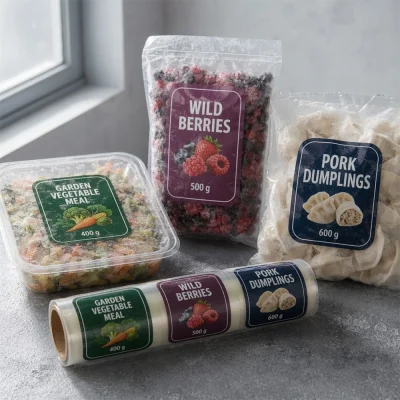
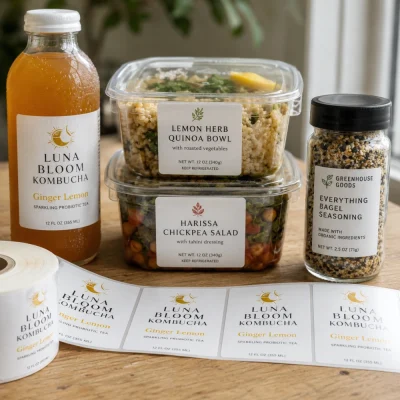
Beverage bottles, food jars, cans, pouches, and frozen foods across the full cold chain.
Materials
8 FDA-compliant options: BOPP, PET, vinyl, and specialty paper for every application.
Compliance
FDA 21 CFR 175.105 for indirect food contact adhesives. Documentation on request.
Performance
Waterproof, oil-resistant, freezer-safe to −20°F. Hot-fill rated up to 300°F.
What are Food & Beverage Labels?
Food and beverage labels are product labels specifically engineered for the environmental conditions of food packaging: moisture, condensation, oil, grease, freezing, and regulatory compliance.
175.105
178.2010
/ EU 1169
6 Materials · 5 Performance Criteria
Every material is laboratory-tested against the five conditions that determine food-label failure or success.
| Material | Condensation | Submersion | Oil / Grease | Freezer | FDA-Compliant |
|---|---|---|---|---|---|
| White BOPPPolypropylene Film | ✓ | ✓ | ✓ | ✓w/ freezer adhesive | ✓ |
| Clear BOPPTransparent Film | ✓ | ✓ | ✓ | ✓ | ✓ |
| White PETPolyester Film | ✓ | ✓ | ✓ | ✓ | ✓ |
| White VinylPVC Film | ✓ | ✓ | ✓ | ✓ | ✓ |
| Estate #8 PaperTextured Paper | ~ | ✗ | ~ | ✗ | ✓indirect |
| Brown KraftUncoated Paper | ✗ | ✗ | ~ | ✗ | ✓dry goods |
Material Picks by Product Type
From bottle to pouch, each food package has a defined performance profile. These are the materials that pass.
Beverage Labels
-
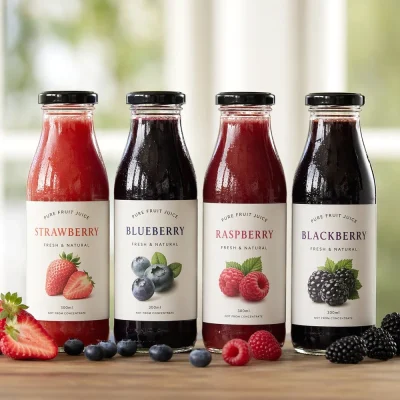
Water · Juice · SodaWhite BOPP · Permanent Acrylic · Glossy
-
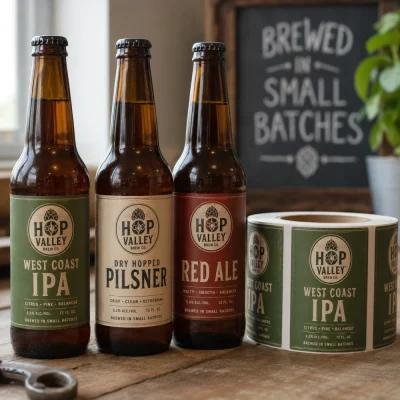
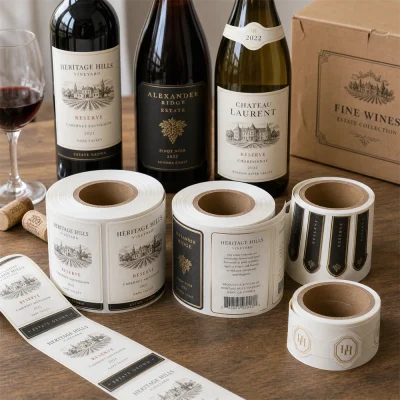
Beer · Wine · SpiritsEstate #8 or White BOPP · Wet-Strength
-
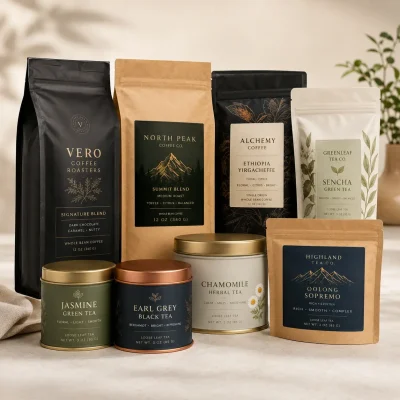
Coffee BagsWhite Paper Matte or Brown Kraft
Food Labels
-
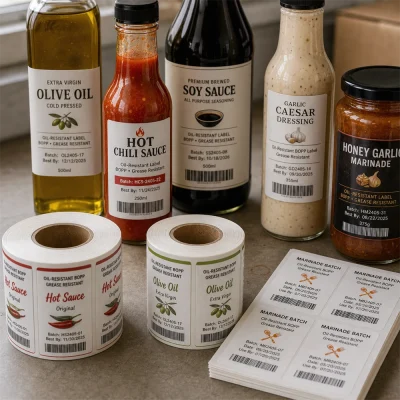
Sauces · DressingsWhite BOPP · Oil-Resistant Adhesive
-
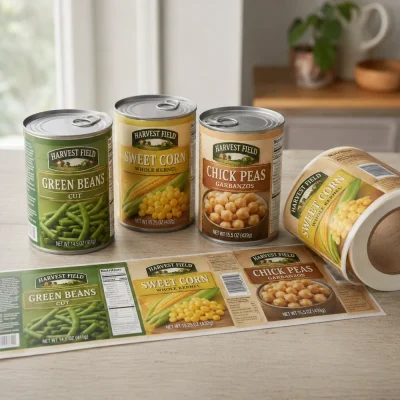
Canned GoodsWhite PET · Rubber-Based Adhesive
-
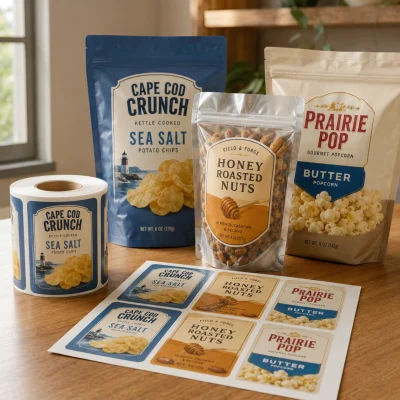
Snack Bags · PouchesWhite BOPP or White Paper Matte
-
Fresh ProduceBrown Kraft or White Paper · Compostable
Frozen Foods
-
Frozen MealsWhite BOPP · Freezer-Grade Adhesive −20°F
-
Ice Cream · NoveltiesWhite BOPP · Flexible When Frozen
-
Frozen VegetablesWhite BOPP · Apply at Room Temp
Three Tests That Determine Pass/Fail
Real-world conditions break labels. These are the lab protocols we use to qualify every food-grade material.
Submersion Resistance
- White BOPP
- Clear BOPP
- White PET
- White Vinyl
- Uncoated Paper
- Kraft without laminate
Cold-Chain Durability
- White BOPP (stays flexible)
Apply label at room temp for best adhesive bond.
Contact Resistance
- BOPP (all variants)
- PET
- Vinyl
- Porous paper absorbs oil
- Discoloration visible <24h