



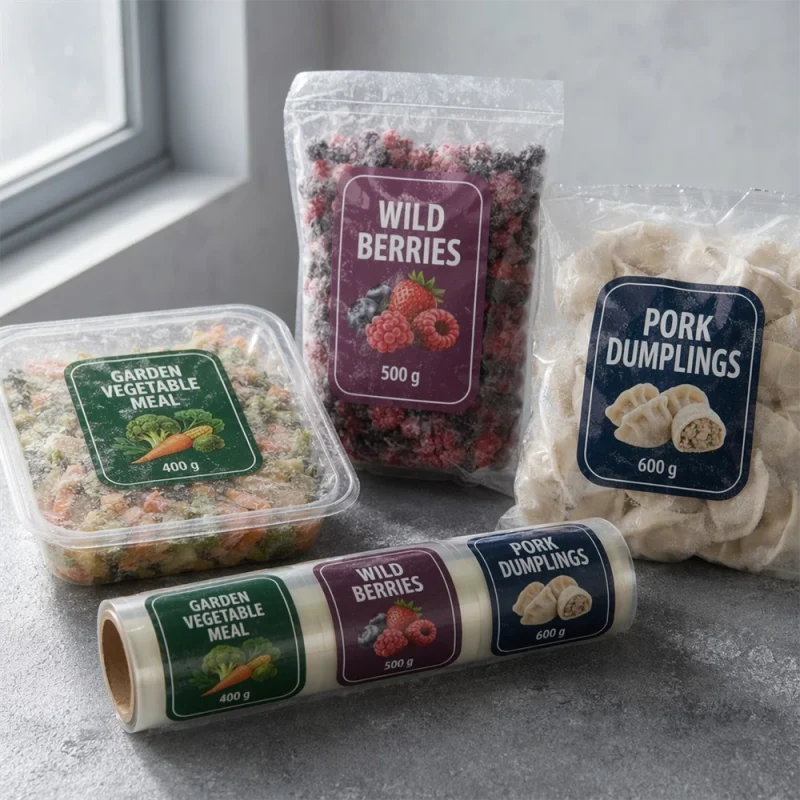
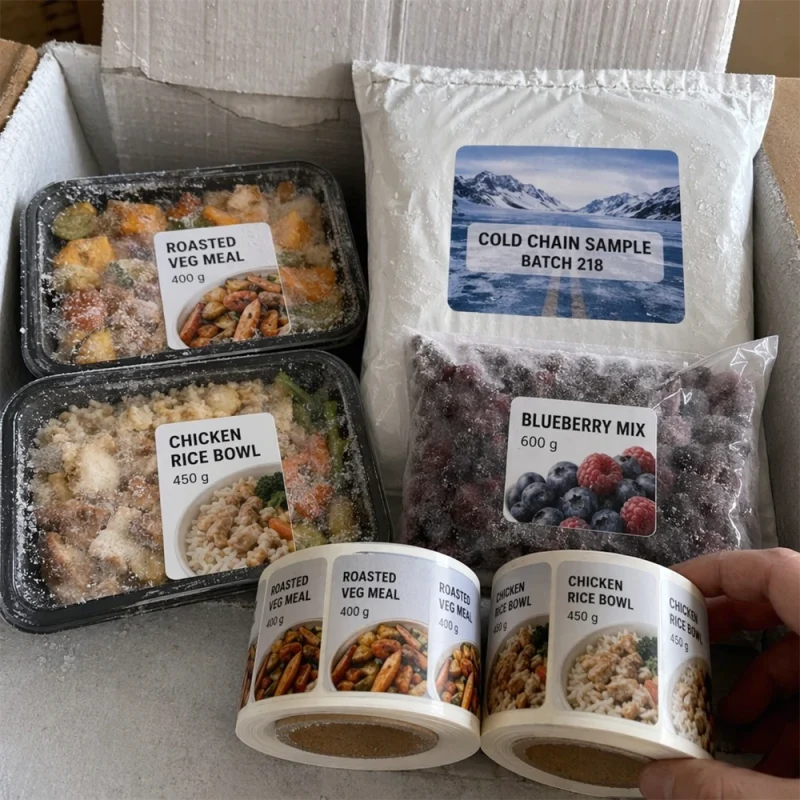
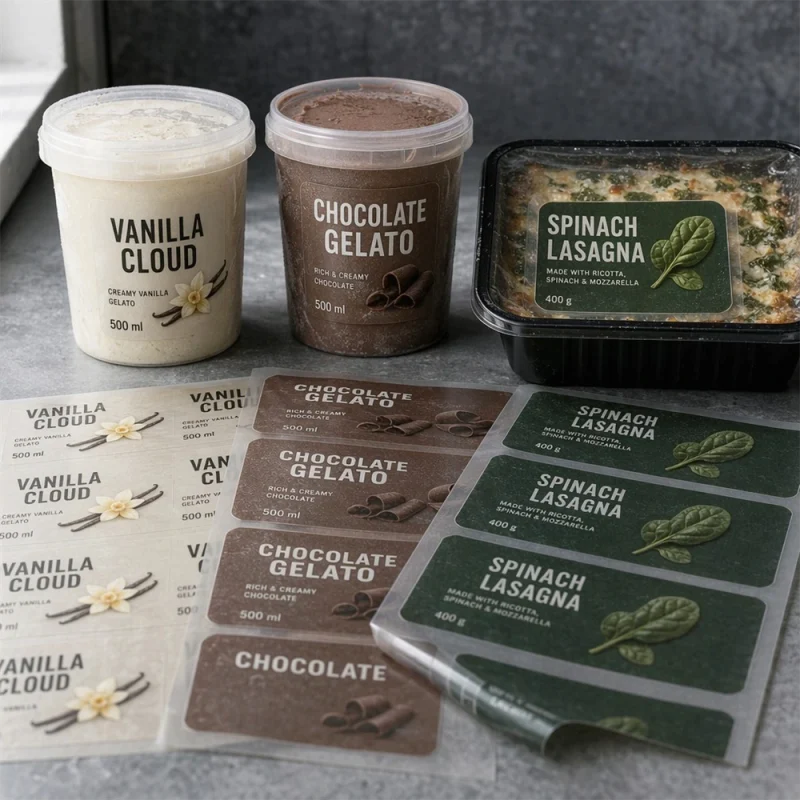
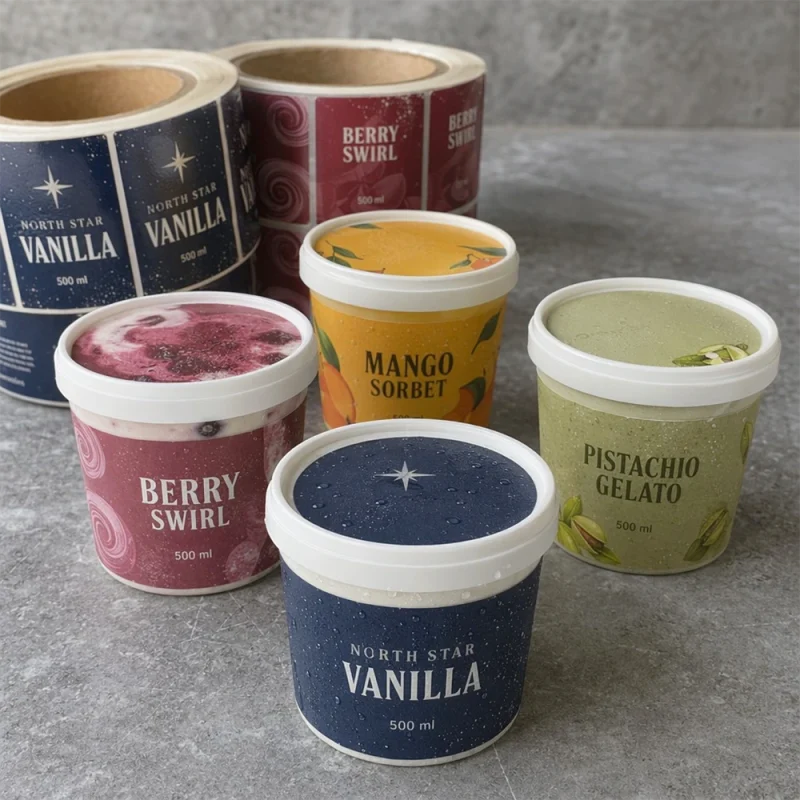
Custom Frozen Food Labels Built for -20°C Freezer Performance
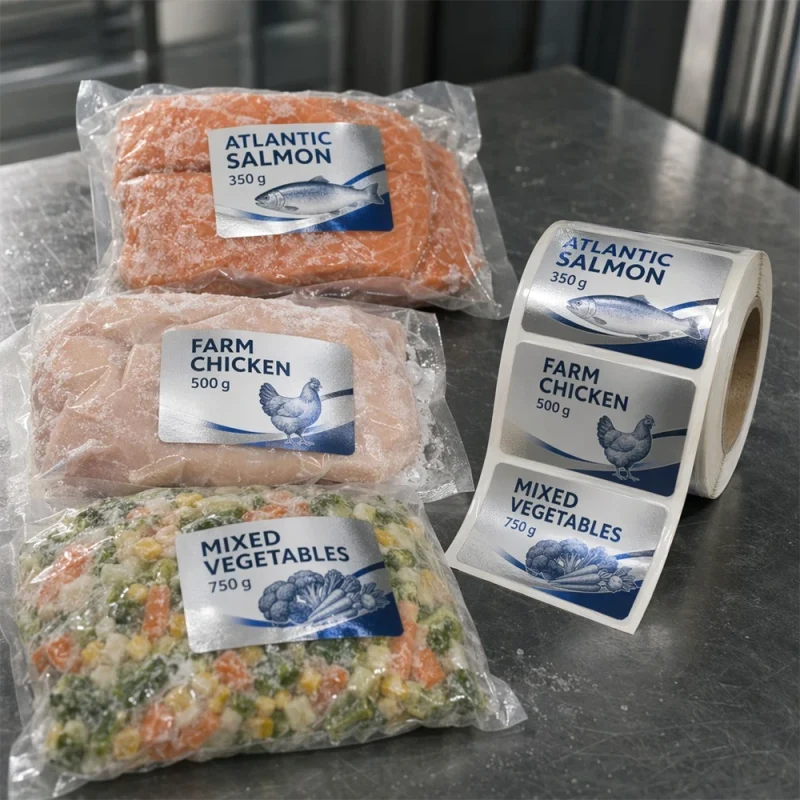
Freezer-rated labels with rubber hot-melt adhesive that bonds in cold packing rooms and stays attached through blast freezing, frozen storage, distribution, and retail display. White BOPP with lamination protects print from frost, condensation, and freezer burn. USDA and FDA compliant materials for frozen vegetables, ready meals, ice cream, and seafood packaging.
Frozen food labels must maintain adhesion at -20°C, resist frost and ice crystals, survive condensation cycles through thermal transitions, and remain legible throughout long-duration cold-chain distribution. LabelsAgent supplies freezer-rated labels with rubber hot-melt adhesive and white BOPP with lamination — engineered for frozen vegetables, ready meals, ice cream, seafood, and meat packaging from experienced Chinese factories, meeting USDA and FDA compliance for indirect food contact in freezer environments.
Frozen Food Packaging Applications
Eight frozen food categories engineered for freezer-rated adhesion, moisture resistance, and regulatory-compliant artwork layout.
Frozen Vegetables
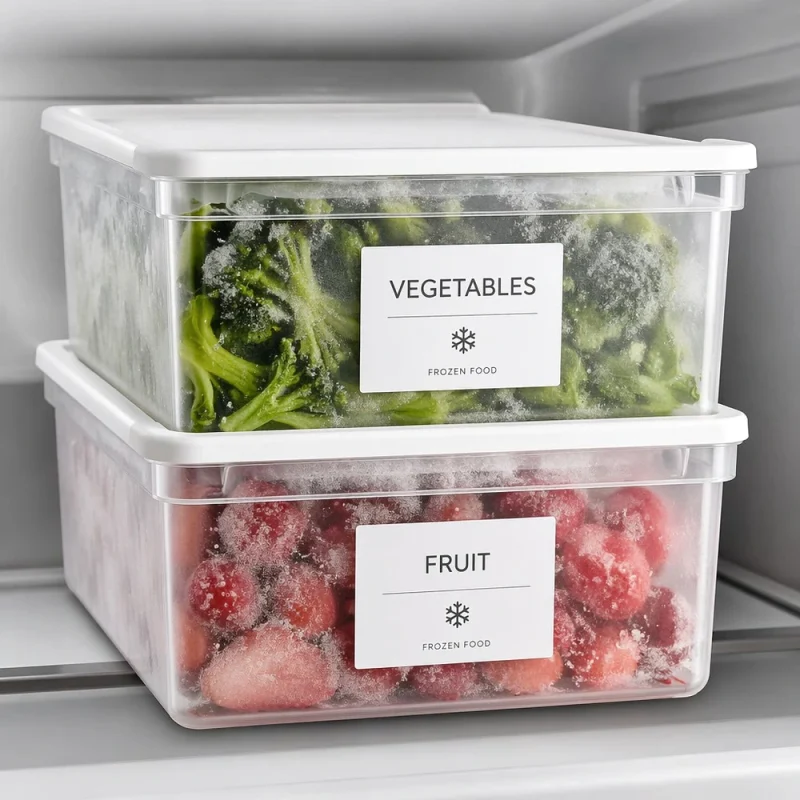
Poly bags and stand-up pouches for peas, corn, mixed vegetables, and stir-fry blends. Frost-resistant labels.
Poly Bag · PouchReady Meals & Microwavable
Frozen dinner trays, microwave meals, and single-serve entrees with reheating instructions and nutrition panels.
Tray · Single-ServeIce Cream & Novelties
Pints, tubs, ice cream bars, and frozen novelties. Moisture-resistant labels for freezer display cases.
Tub · PintFrozen Seafood
Shrimp, fish fillets, scallops, and mixed seafood. Waterproof labels for ice-packed and frozen seafood.
Vacuum · Ice-PackFrozen Fruit & Smoothie Packs
Berries, mango, acai packets, and smoothie kits. Cold-chain labels for direct-to-freezer retail packaging.
Pouch · Poly BagFrozen Meat & Poultry
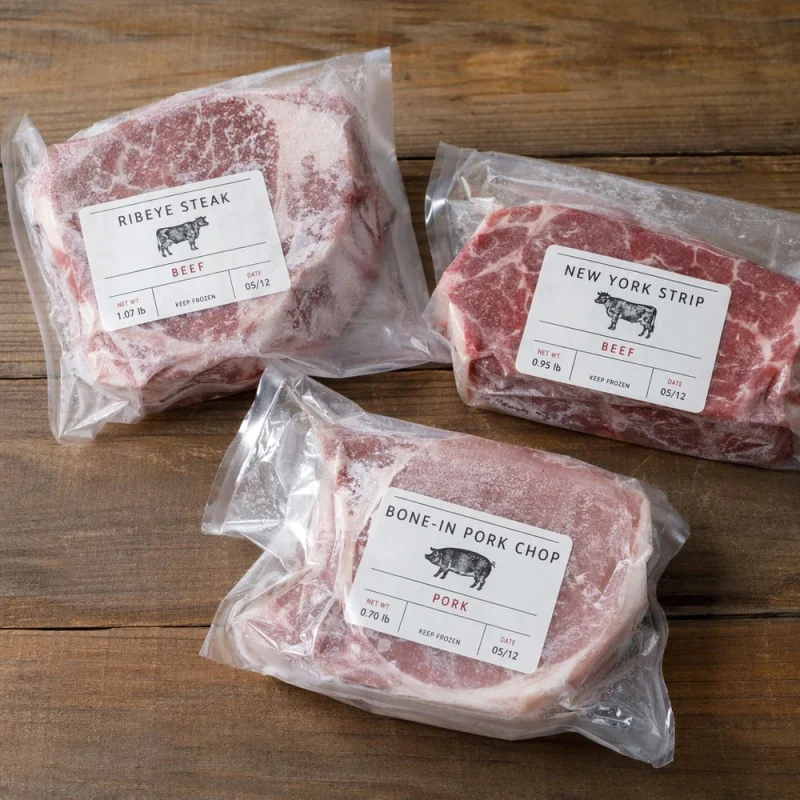
Beef, chicken, pork, and ground meat packaging. FDA-compliant labels for protein cold-chain distribution.
Wrap · TrayFrozen Dough & Bakery
Pizza dough, cookie dough, pastry, and bread products with baking instructions and best-by dates.
Carton · WrapCarton & Lid Seals
Tamper-evident carton seals and frozen food tray lid labels for product safety and brand identification.
Seal · LidSix Freezer Stress Factors — and the Engineering Answer
Every frozen food label failure traces back to one of six recurring stress factors. Here is exactly how we engineer around each one.
-20°C Continuous Cold-Chain
Standard acrylic adhesives freeze, harden, and lose tack at freezer temperatures — labels peel off within hours of cold storage.
Frost & Ice Crystal Bond
Frost crystals and ice glaze on frozen packaging prevent label adhesive from wetting out and bonding to the surface.
Condensation Cycle Stress
Frozen products pass through temperature transitions creating condensation that soaks and degrades unprotected paper labels.
Freezer Burn & Print Fade
Prolonged freezer exposure causes ink degradation, label yellowing, and brittle cracking on unprotected materials.
Cold-Room Application
Labels applied in refrigerated packing rooms (4-10°C) need adhesive that activates at low temperatures — not just room temperature.
USDA & FDA Compliance
Frozen food labels must meet USDA and FDA requirements for ingredient lists, allergens, nutrition facts, and indirect food contact safety.
Frozen Food Packaging Label Challenges
A structured breakdown of common freezer label failure modes and the material engineering that resolves each one.
| Challenge | Why It Matters | Recommended Solution |
|---|---|---|
| Cold-20°C freezer temperatures | Standard acrylic adhesives freeze and lose tack at freezer temperatures, causing labels to fall off products. | Rubber hot-melt adhesive rated for -20°C continuous cold-chain exposure |
| FrostFrost and ice formation | Frost crystals and ice glaze on frozen packaging prevent labels from bonding properly to the surface. | Aggressive tack adhesive that bonds through light frost and moisture films |
| WetCondensation during distribution | Frozen products pass through temperature transitions creating condensation that degrades unprotected labels. | White BOPP with lamination for moisture barrier protection |
| BurnFreezer burn and print degradation | Prolonged freezer exposure causes ink degradation and label yellowing on unprotected materials. | Lamination overcoat that protects print from freezer burn and UV display lighting |
| ApplyCold-room application | Labels applied in refrigerated packing rooms need adhesive that activates at low temperatures. | Low-temp application adhesive formulated for cold packing environments |
| FDARegulatory compliance | Frozen food labels must meet USDA and FDA requirements for ingredient lists, allergens, and nutrition facts. | Compliant materials with label design support for regulatory information layout |
Recommended Frozen Food Label Materials
Six freezer-rated facestocks ranked by typical use case — from high-volume frozen vegetables to premium artisan frozen desserts.
| Material | Best For | Freezer Notes |
|---|---|---|
| White BOPP + Lamination | Frozen vegetables, ready meals, ice cream, seafood | Most reliable frozen food material. Flexible at -20°C, moisture-resistant, freezer-safe. |
| Clear BOPP + Lamination | Premium frozen brands, no-label look on clear pouches | Transparent finish with full freezer and moisture resistance. |
| White PET | Heavy-duty frozen cartons, returnable freezer containers | Stronger than BOPP with superior low-temperature durability. |
| Vinyl (PVC) | Irregular frozen surfaces and flexible pouch wraps | Conforms to curved and flexible packaging. Waterproof for freezer storage. |
| Coated Paper + Laminate | Cost-effective frozen cartons, dry storage outer packaging | Economical with lamination for moisture barrier. Less durable than BOPP. |
| Textured Paper + Laminate | Premium frozen dessert and artisan frozen food brands | Luxury texture with protective lamination. Pairs with foil for premium positioning. |
Recommended Frozen Food Label Finishes
Protective finishes that shield print from freezer burn, frost, and condensation while delivering the right brand aesthetic under freezer display lighting.
Gloss Laminate
Shiny moisture barrier that protects print from freezer burn, frost, and condensation. Most popular frozen food finish.
Top PickMatte Laminate
Soft, natural finish for premium frozen food brands. Reduces glare under freezer display lighting.
PremiumCold-Temperature Coating
Specialized coating formulated to remain flexible and crack-free at -20°C throughout freezer storage.
-20°C FlexWaterproof Coating
Full waterproof protection for ice-packed seafood, frozen fruits, and condensation-heavy environments.
WaterproofFoil Stamping
Gold or silver foil accents for premium frozen desserts, specialty ice cream, and gift frozen food packaging.
LuxuryVarnish
Cost-effective protective layer for frozen food cartons and secondary packaging in dry outer storage.
EconomyFrozen Food Label Format Options
Three delivery formats covering everything from automated frozen food production lines to small-batch farm frozen and tamper-evident carton seals.
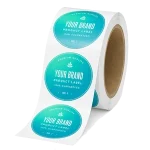
Roll Labels
For frozen food production lines and automated packing. Precision-wound rolls with low-temp adhesive for cold-room application.
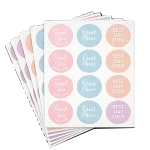
Sheet Labels
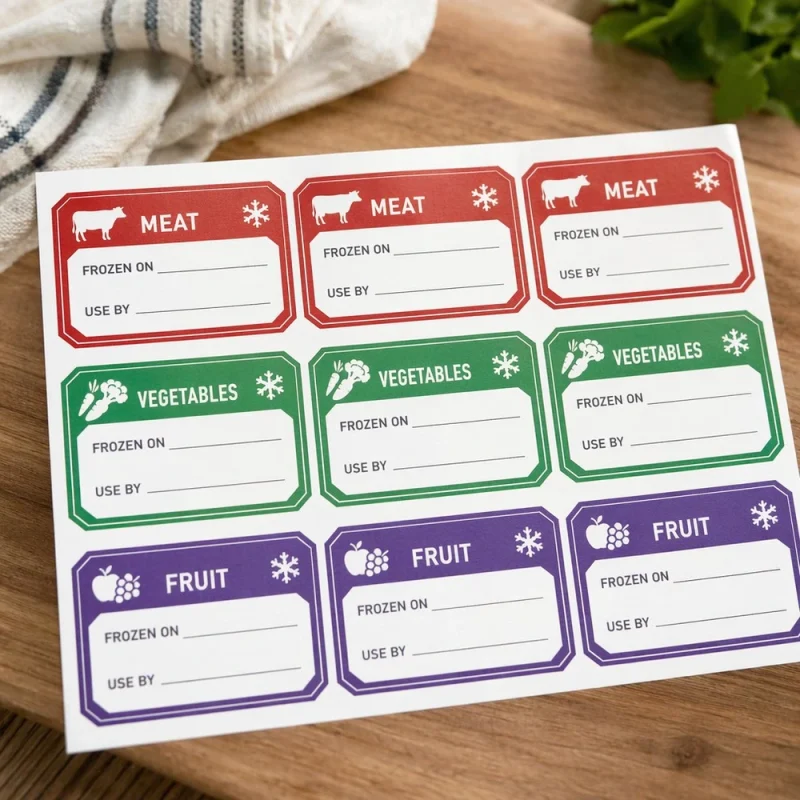
For small-batch frozen food brands, farm frozen products, and seasonal frozen specials. Manual application for short runs.
Stickers
Carton seals, lid stickers, date and batch labels, and tamper-evident seals for frozen food safety compliance.
Frozen Food Label Design & Artwork Tips
Four critical design considerations to keep frozen food labels readable, compliant, and consumer-friendly through freezer storage and display.
Cold-Chain Legibility
Frozen food labels must remain readable through frost, condensation, and freezer display lighting. Use high-contrast typography and large fonts for critical info — avoid thin lines that disappear under frost.
Nutrition & Ingredient Space
Frozen food labels need space for ingredient lists, allergen statements, nutrition facts, cooking instructions, and best-by dates. Plan layout with all regulatory information clearly organized.
Cooking Instructions
Frozen ready meals and microwave products need clear cooking instructions, wattage guidance, and internal temperature requirements. Make cooking steps prominent for consumer safety.
Freezer Test First
Always test label designs under actual freezer conditions (-18°C for 48 hours) before production. Check adhesion, legibility through frost, and condensation resistance through thermal cycles.
Standard Frozen Food Label Sizes
| Packaging Type | Label Size | Format |
|---|---|---|
| Frozen Poly Bag | 4 × 6 inch | Full Panel |
| Stand-Up Pouch | 5 × 7 inch | Wrap / Panel |
| Ice Cream Pint | 6 × 3.5 inch | Wrap |
| Frozen Dinner Tray | 4 × 3 inch | Top Panel |
| Frozen Carton | 5 × 8 inch | Wrap |
| Seafood Vacuum Pack | 3 × 4 inch | Front Panel |
Built for Frozen Food Brands That Ship Cold-Chain
Six operational advantages that keep your frozen food labels performing from blast freezer to consumer freezer.
-20°C Rated Materials
Every freezer-rated material is tested for continuous -20°C cold-chain performance — adhesion, flexibility, and legibility.
-20°C ContinuousAdhesive Engineering
Rubber hot-melt adhesive formulated for low-temperature activation in cold packing rooms and aggressive tack through frost.
Cold-Room BondUSDA & FDA Compliant
Food-safe facestocks and adhesives meet indirect food contact requirements for freezer and cold-chain environments.
Indirect ContactExperienced Factory Network
Vetted Chinese factories with proven frozen food label production — from high-volume frozen vegetables to premium ice cream.
Vetted Supply4-6 business days Production
Fast production turnaround on standard freezer materials keeps your frozen food SKU launch timeline on track.
4-6 business days TurnMaterial Sample Pack
Test five freezer materials in your actual cold-chain before placing a production order — $9 credited to first order.
Free TestRelated Food & Cold-Chain Label Pages
Frozen Food Label Frequently Asked Questions
What adhesive works for freezer food labels?
Rubber hot-melt adhesive is the best choice for freezer food labels because it maintains tack and adhesion at -20°C, where standard acrylic adhesives freeze, harden, and lose bond. Rubber hot-melt stays flexible and aggressive in sub-zero temperatures, keeping labels firmly attached throughout frozen storage, distribution, and retail display.
Are frozen food labels USDA and FDA compliant?
Yes. We offer USDA and FDA compliant label materials for frozen food packaging, including food-safe adhesives and facestocks that meet indirect food contact requirements for freezer and cold-chain environments. Our team can recommend the appropriate material certification for your specific frozen product and target market.
Can frozen food labels survive -20°C freezers?
Yes. Our freezer-rated labels use rubber hot-melt adhesive and white BOPP with lamination, engineered to maintain adhesion, material flexibility, and print legibility at -20°C and below. Labels will not peel, crack, or fade throughout cold-chain storage and frozen retail display.
What material is best for frozen food packaging?
White BOPP with gloss or matte lamination is the best material for frozen food labels. BOPP remains flexible at low temperatures where brittle materials crack, resists moisture and frost penetration, and the lamination overcoat protects print from freezer burn and condensation. For heavy-duty cartons, white PET offers additional strength.
Can frozen food labels be applied at low temperatures?
Yes. Our rubber hot-melt adhesive is formulated to bond at low application temperatures, allowing labels to be applied in cold packing rooms and on pre-frozen product surfaces without waiting for the product to warm. This supports efficient frozen food production line speeds and cold-room packing operations.
Get Custom Frozen Food Labels Built for -20°C Cold-Chain Performance
Send us your frozen food packaging specifications and artwork. We will recommend the right freezer-rated material, rubber hot-melt adhesive, and format for your frozen food brand.
No reviews yet.

Write a Review
You must be logged in to post a comment.