
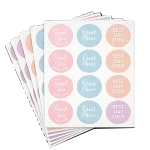

Permanent Adhesive Labels
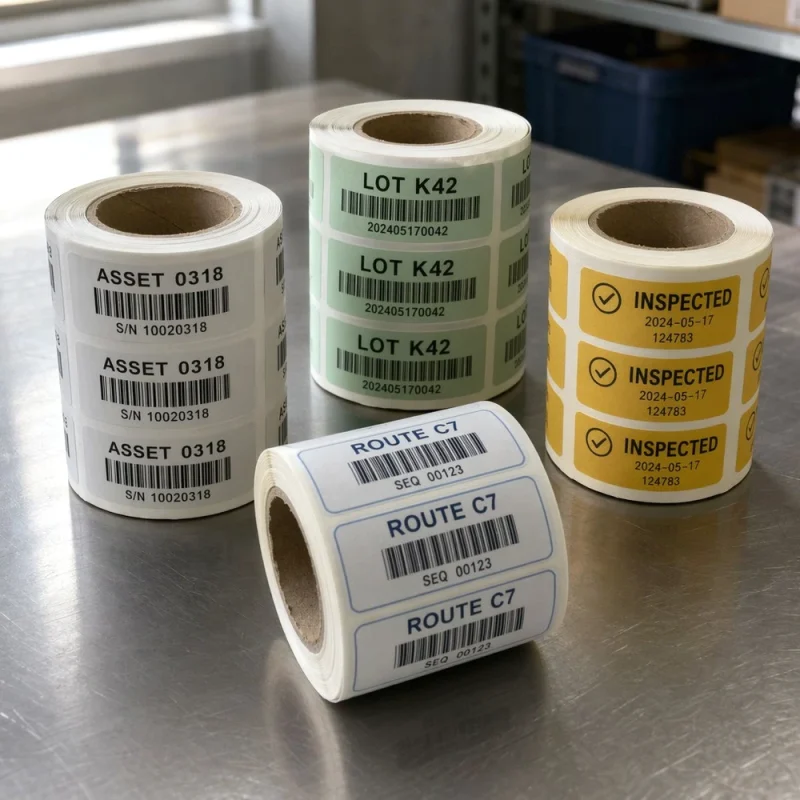
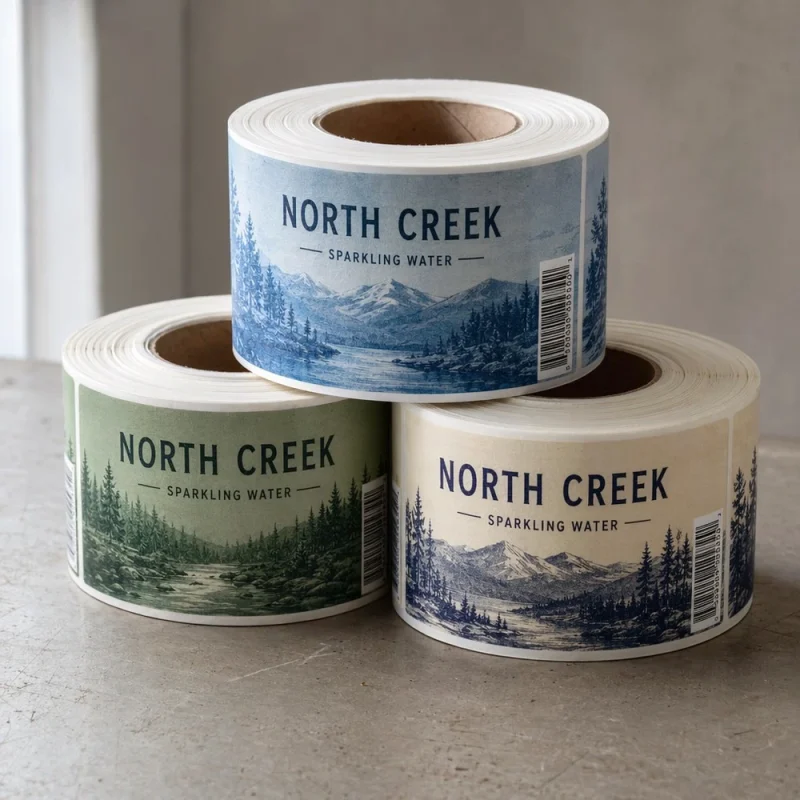
Helpful Links
Custom Permanent Adhesive Labels for Long-Term Bonding
Labels engineered to stay on for the life of your product. Aggressive acrylic adhesive flows into the surface micro-structure, reaching full bond strength within 24-72 hours and maintaining adhesion for 12+ months. The standard choice for retail product labels, beverage bottles, food packaging, cosmetics, and any application where labels must never come off.
Permanent adhesive labels use an aggressive acrylic adhesive that flows into the micro-structure of the container surface, creating a bond that strengthens over 24-72 hours and maintains its grip for 12 months or longer. Unlike removable adhesive engineered for clean peeling, permanent adhesive resists peeling — making it the standard choice for product labels that must survive shipping, retail display, consumer use, and refrigeration without detaching. Available on BOPP, PET, paper, vinyl, and kraft face stocks for food, beverage, cosmetic, candle, daily chemical, and retail packaging.
When You Need Permanent Adhesive Labels
Eight application categories where permanent bond is non-negotiable — labels that must stay attached through shipping, retail display, consumer use, and the full product lifecycle.
Retail Product Labels
Food, beverage, cosmetic, and household products sold in retail stores. Labels must survive shipping, shelf display, consumer handling, and refrigeration.
Most commonBeverage Bottle Labels
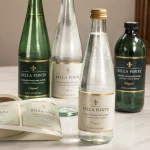
Water, juice, beer, wine, spirits, kombucha, and soft drinks. Permanent adhesive keeps labels bonded through condensation and ice-bucket immersion.
Condensation resistantFood Packaging Labels
Jars, bottles, bags, tubs, and pouches. Permanent bond ensures ingredient and nutrition information remains legible throughout shelf life.
Shelf-life proofCosmetic & Skincare
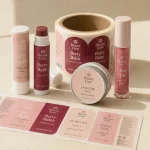
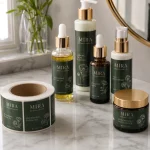
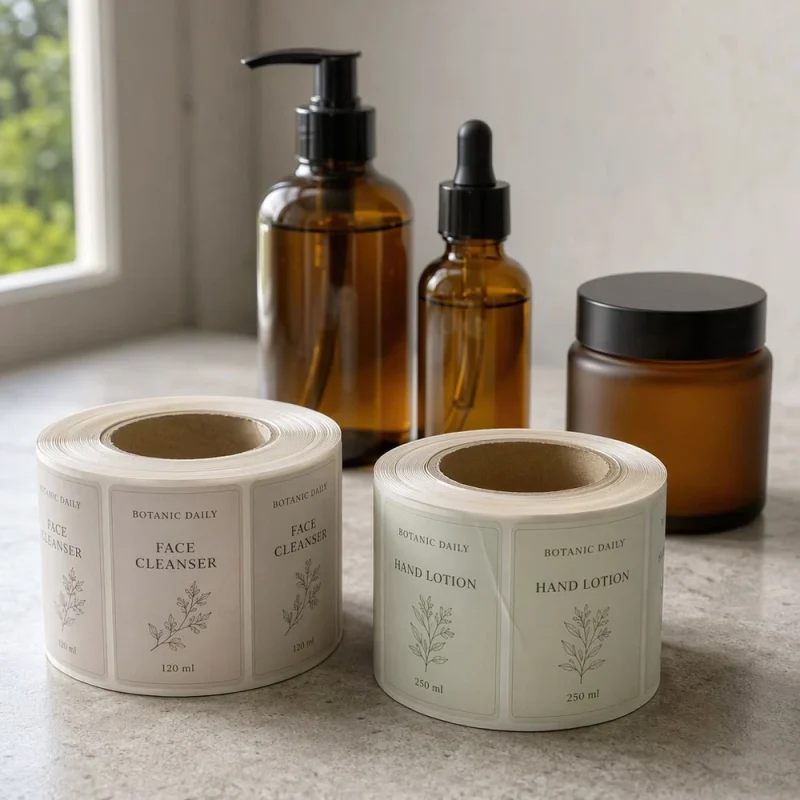
Skincare bottles, serum droppers, cream jars, makeup, and perfume bottles. Resists moisture, oil contact, and repeated bathroom handling.
Moisture & oil proofIndustrial & Chemical
Chemical containers, lubricant bottles, detergent packaging, safety labels. Critical compliance and hazard info stays attached for product lifetime.
Compliance criticalShipping & Logistics
Shipping address labels, tracking barcodes, handling instructions, warehouse ID. Labels survive the entire shipping journey without detaching.
Journey-proofAsset & Warranty Labels
Serial number labels, warranty seals, brand identification, asset tracking tags. Stays with the product for its entire service life.
Lifetime tagTamper-Evident Seals
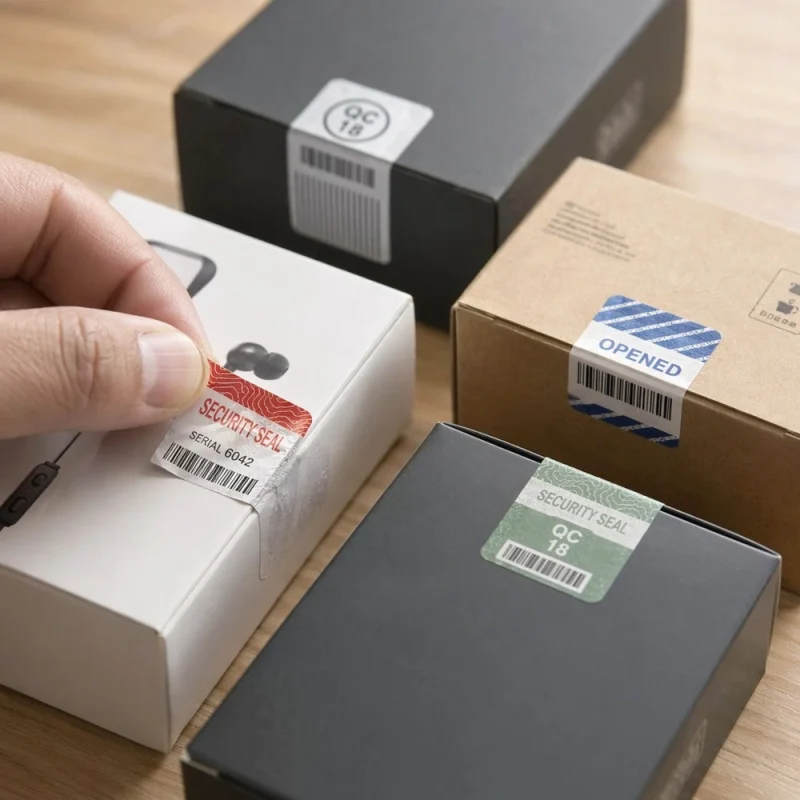
Product seals that show visible evidence if removal is attempted. Permanent adhesive + destructible face stock fragments on tampering.
Security gradeThe Three Science Layers Behind Every Permanent Bond
Permanent adhesion is not magic — it is a measurable interaction between surface energy, adhesive chemistry, and application conditions. Reference these three frameworks before specifying your label.
Materials for Permanent Adhesive Labels
Seven face stock options paired with permanent acrylic adhesive, each engineered for a specific container type and product environment.
| Material | Adhesive Type | Why It Works |
|---|---|---|
| White BOPP + Permanent Acrylic Most popular |
Permanent acrylic | Waterproof film with strong permanent adhesive. The standard for beverage and cosmetic labels. Bonds well to glass and rigid plastics. |
| Clear BOPP + Permanent Acrylic | Permanent acrylic | Transparent waterproof label for no-label look. Permanent adhesive creates a strong invisible bond on glass and clear PET bottles. |
| White Paper + Permanent Acrylic | Permanent acrylic | Cost-effective label for indoor dry products. Good for food boxes, gift packaging, and retail products that do not face moisture. |
| White PET + Permanent Acrylic | Permanent acrylic | Premium durable film for long-shelf-life products, industrial labels, and applications requiring superior tear and chemical resistance. |
| Kraft Paper + Permanent Acrylic | Permanent acrylic | Natural-look permanent label for organic, handmade, and artisan brands. Bonds well to paperboard, kraft boxes, and glass. |
| White Vinyl + Permanent Acrylic Heavy-duty |
Permanent acrylic / High-tack | Heavy-duty permanent label for outdoor, industrial, and rugged applications. Can include UV-stable adhesive for extended outdoor life. |
| Destructible Vinyl + Permanent Acrylic Tamper-evident |
Security permanent | Tamper-evident label that fragments into tiny pieces if removal is attempted. Used for warranty seals and security labeling. |
Where Permanent Labels Perform Best
Eight industries where permanent adhesive is the industry-standard choice — each card lists the typical containers and the environmental challenge the bond must survive.
Food
Jars, bottles, bags, tubs, pouches. Permanent bond for full shelf life.
Beverage
Water, juice, beer, wine, spirits, kombucha. Condensation and ice-bucket resistant.
Beauty & Cosmetics
Skincare, makeup, body care, fragrance. Moisture and oil-resistant bond.
Candle & Home
Candle jars, diffusers, room sprays. Heat-resistant bond for warm environments.
Daily Chemical
Detergents, cleaners, disinfectants, hygiene. Chemical-resistant bond.
Retail
Product packaging, brand labels, UPC/barcode, price labels, shelf tags.
Industrial
Chemical drums, lubricant containers, equipment labels, safety warnings.
Logistics
Shipping labels, tracking barcodes, warehouse ID, returnable transport.
Understanding Permanent Adhesive Performance
Six engineering fundamentals that determine whether your permanent label actually performs as permanent — or quietly fails six months later.
Bond Strength Develops Over Time
Permanent adhesive reaches ~50% bond within minutes, 80% within 24 hours, and full bond within 72 hours. Acrylic adhesive flows into surface micro-structure over time. Do not test adhesion immediately — allow 24-hour curing.
Surface Energy Determines Bond
High-surface-energy surfaces (glass, metal) bond excellently. Medium (PET, ABS) bond well. Low-surface-energy (HDPE, PP, silicone) resist adhesion and may require surface treatment, corona discharge, or high-tack formulation.
Temperature at Application Matters
Permanent adhesive bonds best when applied at room temperature (15-25°C). Cold containers reduce initial tack and flow. Hot containers soften adhesive excessively. Ideal application window is 15-25°C.
Waterproof and Permanent Are Separate
Permanent refers to adhesive bonding strength. Waterproof refers to face stock moisture resistance. A paper label with permanent adhesive is permanent but not waterproof. A BOPP label with permanent adhesive is both. Specify both properties when needed.
Not Suitable for Returnable Containers
Permanent adhesive is the wrong choice for containers that must be returned, refilled, or reused. The label will not come off cleanly. For returnable programs, switch to removable adhesive instead.
Tamper-Evident Options Available
For applications where label removal must be detectable, we offer destructible vinyl (fragments on removal), security slits (label breaks at cut lines), and void-pattern adhesive (leaves “VOID” on surface). All permanent adhesive variants with additional security features.
Permanent Adhesive Label Formats
Three formats covering every production scale — from startup launch to high-speed bottling line.
Permanent Roll Labels
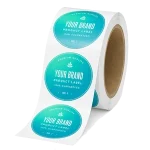
For batch application on bottling lines, filling lines, and packaging machines. 500 to 100,000+ labels per roll. Specify core size and rewind direction for machine applicators.
Roll LabelsPermanent Sheet Labels
For small-batch product labels, startup brands, and manual application. Good for short runs and product launches before scaling to roll format.
Sheet LabelsPermanent Stickers
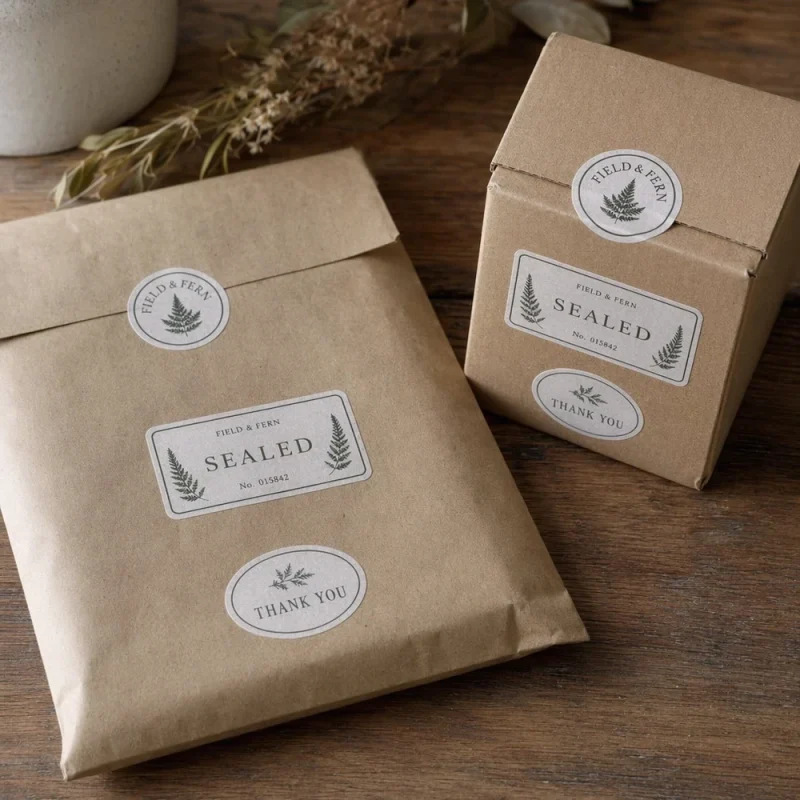
For product seals, brand stickers, logo stickers, warranty seals, and promotional labels. Die-cut or kiss-cut in any shape.
StickersBuyer Mistakes with Permanent Labels
Six recurring mistakes we see from brands specifying permanent adhesive — each with the quick fix that prevents a six-figure recall or relabeling campaign.
Testing Adhesion Too Early
Peeling a label 10 minutes after application and concluding the adhesive is weak. Permanent adhesive needs 24-72 hours to reach full bond strength.
Ignoring Surface Energy
Standard permanent adhesive may not bond to HDPE, polypropylene, silicone-coated surfaces, or powder-coated metals.
Contaminated Application Surface
Dust, oil, moisture, or mold-release agents on the container surface prevent proper adhesive bonding.
Using Permanent for Returnable Products
Applying permanent adhesive labels to containers that will be returned, refilled, or reused. Creates expensive cleaning problems.
Wrong Adhesive for Cold Surfaces
Standard permanent acrylic adhesive loses tack on cold or frosted surfaces.
Assuming Permanent = Tamper-Proof
Standard permanent labels can be removed with enough force — residue but they come off.
Compare Permanent Label Materials
Four most-specified face stocks side by side. White BOPP with permanent acrylic is the volume leader for a reason.
Permanent Adhesive Label FAQ
What is a permanent adhesive label?
A permanent adhesive label uses an aggressive acrylic adhesive that bonds strongly to the container surface and is designed to remain securely attached for the entire life of the product. The adhesive flows into the micro-structure of the surface over 24-72 hours, creating a bond that resists peeling. Attempting to remove a permanent label typically tears the face stock and leaves adhesive residue — the intended behavior for product labels that must not be removed during the product lifecycle.
How long does permanent adhesive last?
Permanent acrylic adhesive maintains its bond for 12 months or longer under normal indoor and outdoor conditions. The adhesive continues to strengthen over the first 24-72 hours after application, reaching approximately 80% bond at 24 hours and full bond at 72 hours. After this curing period, the bond remains stable indefinitely under appropriate conditions. Environmental factors like extreme heat, UV exposure, or chemical contact can affect long-term performance.
Can permanent labels be removed at all?
Permanent labels can be removed but are not designed for clean removal. Removing a permanent label typically tears the face stock (especially paper) and leaves significant adhesive residue on the container. Heat can soften acrylic adhesive, making removal somewhat easier, but residue cleanup with solvents is usually required. If you need labels that must be removed at any point, use removable adhesive instead.
What surfaces work best with permanent adhesive?
Permanent adhesive bonds best to high-surface-energy surfaces: glass, metal, ceramic, and treated plastics. Rigid plastics like PET, ABS, and polycarbonate also bond well. Paper, paperboard, and corrugated board are excellent substrates. The adhesive may struggle with low-surface-energy plastics such as HDPE (high-density polyethylene), polypropylene, and silicone-coated surfaces. For these materials, we recommend high-tack adhesive, corona surface treatment, or a different container material.
Are permanent labels tamper-evident?
Standard permanent labels are not specifically designed as tamper-evident, but their strong bond means any removal attempt will visibly damage the label and leave residue. For true tamper-evidence, we offer three specialized options: destructible vinyl labels that fragment into tiny pieces on removal, security slit labels that break at pre-cut lines, and void-pattern labels that leave a visible “VOID” message on the surface. These are used for warranty seals, pharmaceutical packaging, and high-value product authentication.
Built for Brands That Take Adhesion Seriously
Get Labels That Stay On for the Life of Your Product
Tell us your container material, product environment, and shelf life. We will recommend the right permanent adhesive and face stock for long-term bonding.
No reviews yet.
Write a Review
You must be logged in to post a comment.